Summer in the Bee Yard (June-August)
Main Nectar Flow → Heat & Dearth Transition → Winter Preparation
Primary Summer Goals
- Capture maximum nectar flow
- Maintain honey storage space
- Support thermoregulation
- Prevent robbing cascade
- Reduce varroa before winter bee emergence
- Protect winter bee generation (August critical month)
Major Summer Risks
- Late swarms (missed June cells)
- Overheating
- Comb collapse (foundationless frames)
- Dearth-triggered robbing
- Yellowjacket pressure
- Varroa reaching collapse levels
- Weak winter bee cohort
- Queen supersedure failure
Summer To-Do
-
Add supers ahead of nectar surge
-
Make splits early (June) if needed
-
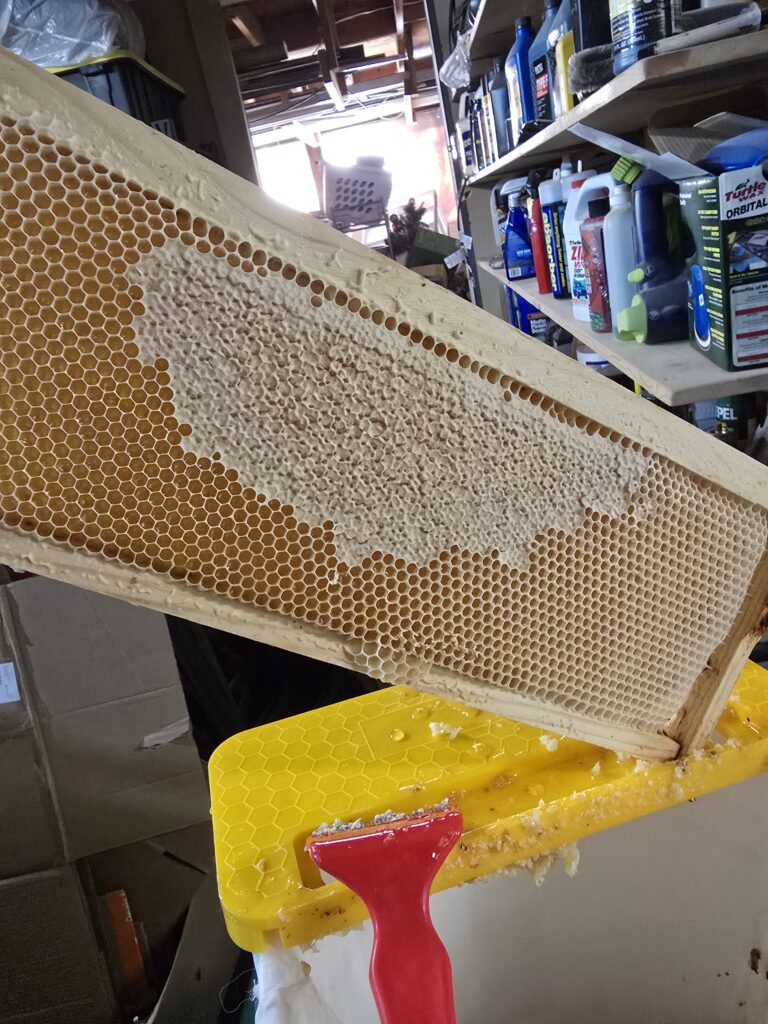
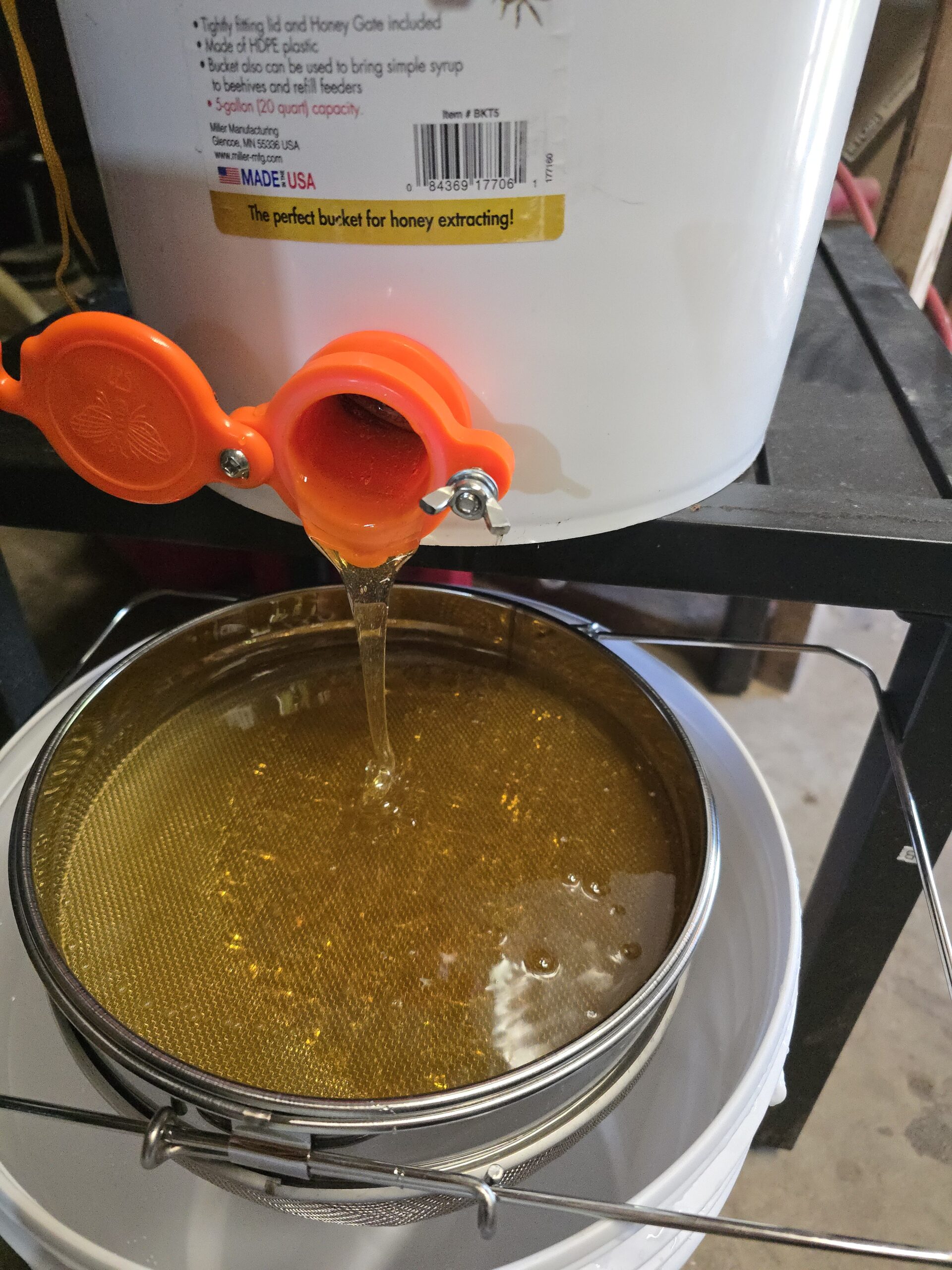
Harvest honey promptly
-
Watch for robbing behavior
-
Monitor dearth signs
-
Remove honey supers by mid–late August
-
Initiate aggressive varroa control immediately after harvest
-
Avoid combining untreated weak colonies
Seasonal Theme: Maximum productivity → Environmental stress → Health reset
Overall Objective: Capture honey surplus while aggressively managing varroa and preparing for winter bee production.
Weather Trends
- June: 47–75°F; 1.6" rain
- July: 52–86°F; 0.8" rain
- August: 51–86°F; 0.5" rain
June - Maximum Workforce
Bee Mood & Activity
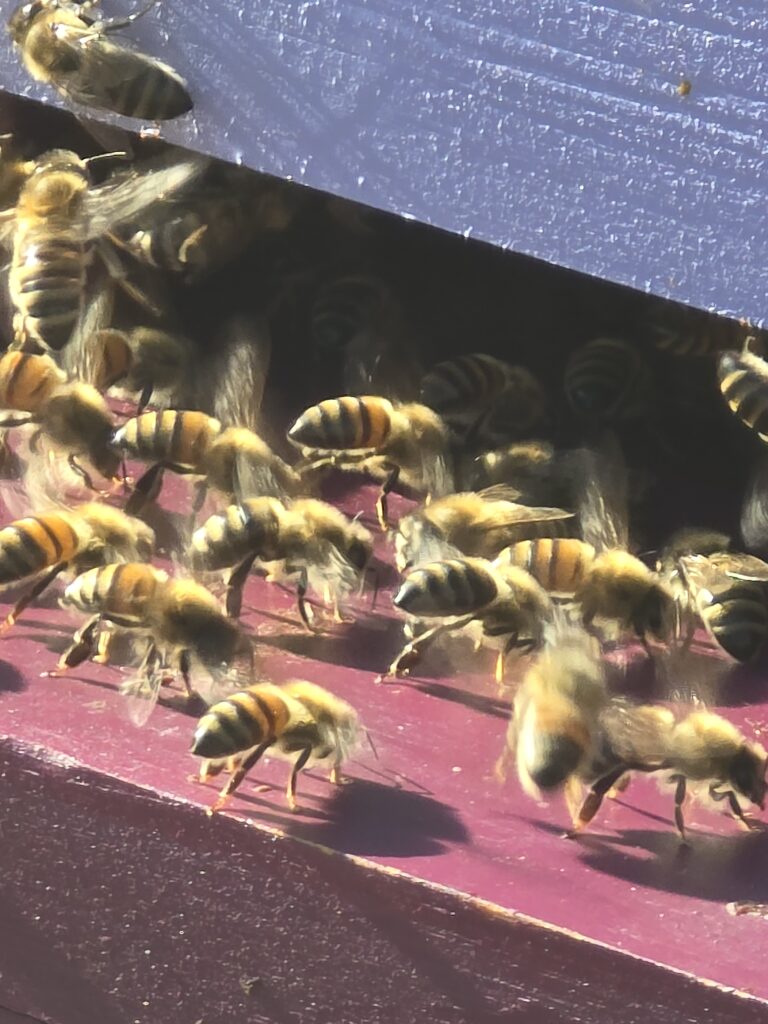
- Calm if given adequate space
- Heavy nectar intake
- Comb building
- Fanning during hot weather
- Less defensive during strong flow
Brood Development
- Maximum brood area
- High turnover of workers
- 14-16 frames of bees
Inspections/Equipment Management:
- Inspection very 7–10 days
- monitor swarm cells
- Add supers proactively
- Prevent brood nest from being plugged
- Pull early ripe honey frames
- Maintain strong ventilation
- No mouse guard or reducer
Food Management:
- Peak nectar flow
- Provide water access
- Colonies should be storing surplus honey
Pest & Disease Management
- Varroa population compounding
- Spot-check mite levels
- Watch wax moths in weak colonies
July - Gradual Slowdown
Bee Mood & Activity
- Temper can rise as nectar declines
- Increased thermoregulation
- Defensive behavior increases during dearth onset
Brood Development
- Worker population at maximum
- Brood sustained through mid-month
- 12–15 fames of bees early → 10–13 frames late
Inspection/Equipment Management
- Minimal inspections after mid-month unless problem-solving
- Reduce entrances only if robbing begins
- Harvest honey promptly
Food Management
- Nectar declines late month
- Avoid feeding unless dearth is confirmed
- Feeding can trigger robbing
Pest & Disease Management
- Varroa reaching damaging thresholds
- Test, treat, and verify
- Yellowjackets and robbing pressure
August - Survival Preparation
Bee Mood & Activity
- Highly defensive
- Guard bees hyper-alert
- Robbing pressure increases aggression
- Reduced foraging during dearth
- Internal colony reorganization
Brood Development
- Brood nest shrinking
- Drones evicted late month
- Winter bees developing (long-lived generation)
- 8–12 frames of bees
Inspection/Equipment Management
- Minimal inspections
- Evaluate queen performance
- Remove excess supers
- No reducer unless robbing
- Begin consolidating hive structure
Food Management
- Limited forage
- Feed 2:1 sugar syrup immediately after honey harvest
- Use internal feeders
- Colony requires strong nutrition for winter bee production
Pest & Disease Management
- Varroa peak pressure
- Primary treatment window after honey removal
- Winter bees must emerge in low-mite environment
- Yellowjackets and robbing remain threats
Major Summer Forage in Eastern Washington
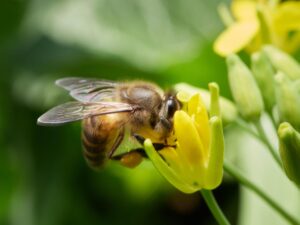
Main Nectar - June
- White & sweet clover – major nectar producers
- Alfalfa – nectar
- Canola
- Tumble mustard
- Knapweed (moisture dependent) -nectar & pollen
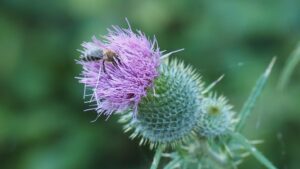
Late Flow/Transition - July
- Knapweed – nectar & pollen
- Thistle – nectar & pollen
- Vetch – nectar & pollen
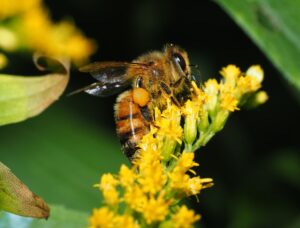
Drought & Late Bloom - August
- Drought & Late Bloom - August
- Rabbitbrush – nectar
- Goldenrod – nectar & pollen
- Asters – nectar