Fall in the Bee Yard (September-November)
Winter Preparation → Cluster Formation → Dormant Stability
Primary Fall Goals
- Establish winter readiness
- Secure adequate food stores
- Produce high-quality winter bees
- Reduce mite loads to survivable thresholds
- Stabilize cluster size
- Control moisture
Major Fall Risks
- Insufficient winter stores
- Poor winter bee quality from mite damage
- Weak cluster size
- Incomplete feeding before freeze
- Moisture accumulation
- Mouse intrusion
- Entrance blockage
- Wind exposure
Fall To-Do
- Combine weak colonies
- Achieve full winter stores (70–90 lbs target)
- Finish varroa treatments and confirm levels
- Install mouse guards
- Add insulation and moisture control
- Remove excess equipment
- Ensure cluster positioning under honey
- Protect from wind
Seasonal Theme: Reorganization → Consolidation → Conservation
Overall Objective: Prepare colonies physiologically and structurally for winter survival by securing food stores, minimizing mite pressure, and stabilizing the cluster.
Weather Trends
- September: 44–76°F; 0.7" rain
- October: 35–59°F; 1.2" rain; light snow possible
- November: 29–43°F; 1.9" rain; 1.1" snow
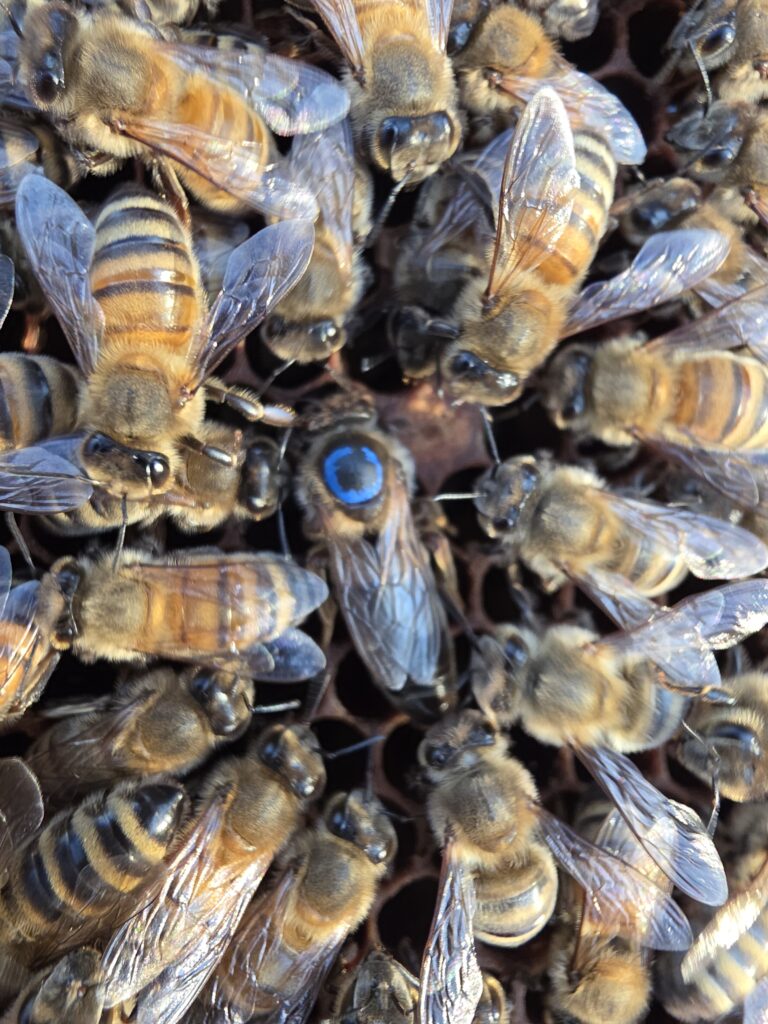
September - Active Reorganization
Bee Mood & Activity
- Defensive but more stable than August
- Strong guarding behavior
- Drones evicted
- Reduced flights
- Consolidating stores
Brood Development
- Brood declining
- Final winter bees emerging
- 7–10 frames of bees
Inspections/Equipment Management:
- Minimal- shift from management to verification
- finish mite verification
- Reduce entrances when below 45°F
- Install mouse guards before first hard frost
- Combine weak colonies
Food Management:
- Minimal foraging
- Feed 2:1 sugar syrup to reach winter weight
- Target 70–90 lbs (8-frame double deep)
- Stop liquid feeding at freezing temperatures
- Do not feed protein (brood tapering)
Pest & Disease Management
- Complete mite treatments
- Retest mite levels
- Robbing persists
- Mouse intrusion risk
October - Brood Shrinking
Bee Mood & Activity
- Movement slowing
- Tighter clusters forming
- Energy conserving
- Minimal foraging
- Calm but defensive if opened
Brood Development
- Minimal brood
- Drones gone
- 6–8 frames of bees
Inspection/Equipment Management
- Final brood check
- minimal disturbance
- Remove empty boxes
- Install insulation/quilt boxes
- Add moisture control and ventilation
- Ensure cluster is positioned under honey
- Final weight check
Food Management
- Feed 2:1 syrup only if underweight and nights permit
- Stop liquid feeding once freezing begins
- Emergency dry sugar only if needed
Pest & Disease Management
- Residual mite damage to winter bees
- Varroa reproduction slowing
- Consider oxalic acid if brood minimal
November - Full Winter Cluster
Bee Mood & Activity
- Metabolic conservation
- No foraging
- Cluster repositioning over stores
- Quiet unless disturbed
Brood Development
- Broodless
- Varroa primarily phoretic
- 5–7 frames
Inspection/Equipment Management
- External checks only
- Clear entrances
- Maintain mouse guards
- Protect from wind
- Heft hive periodically
- Quick external checks only
Food Management
- No feeding unless emergency
- Dry sugar over cluster if light
- Avoid stimulating brood
Pest & Disease Management
- Varroa mostly phoretic (ideal oxalic vapor timing)
- Mouse intrusion
- Predator disturbance
Major Fall Forage in Eastern Washington

September
- Aster – nectar & pollen
- Goldenrod – nectar & pollen

October
- Residual blooms only

November
- None