
Grow in God
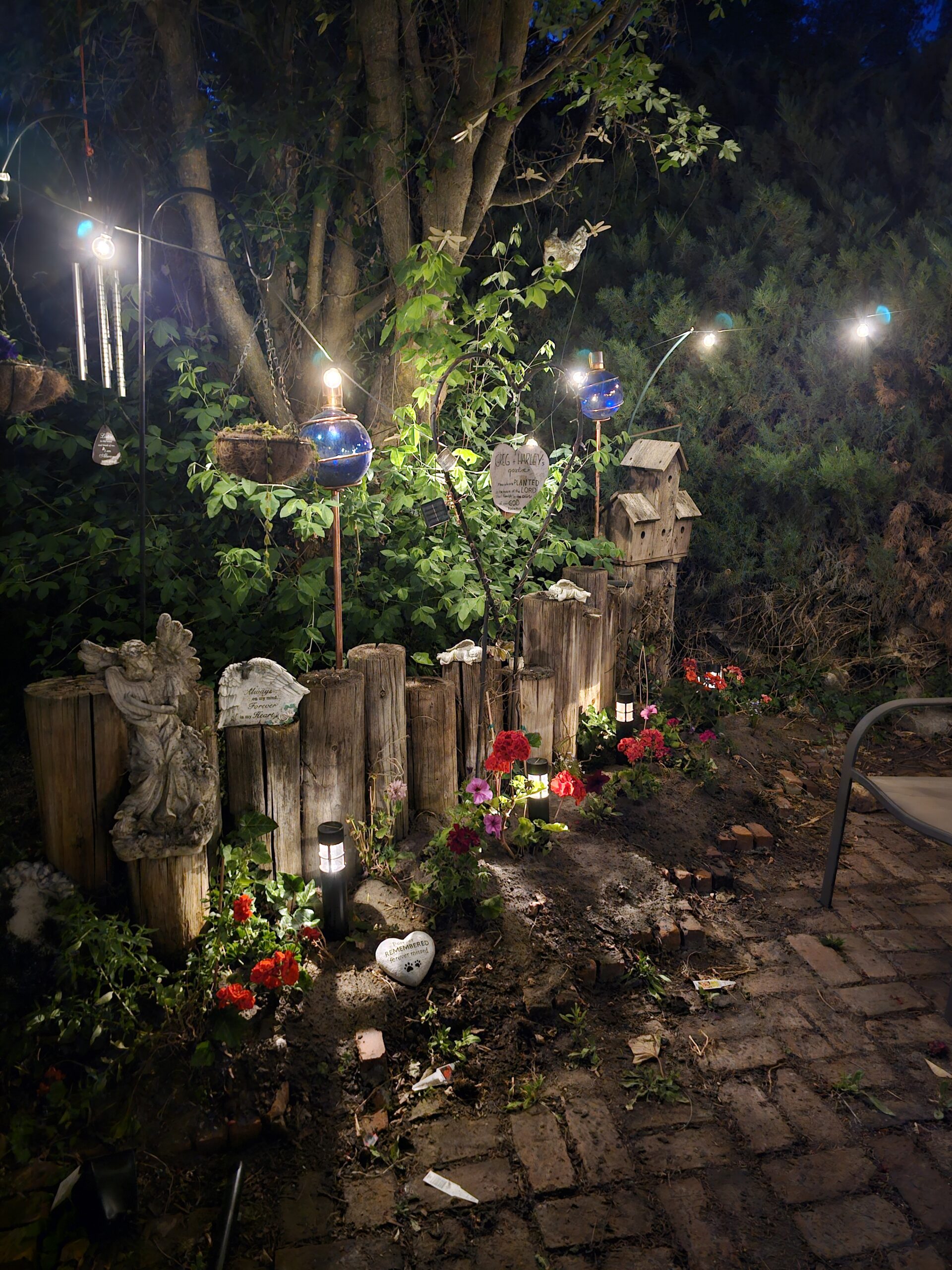
I’ve spent quite a bit of time researching my family history and discovered that many of my relatives—both near and distant—were farmers. Because of that, I assumed gardening would come naturally to me, as if it were somehow part of my DNA. I quickly learned that wasn’t the case. My green thumb is definitely more brown than green, but I keep trying.
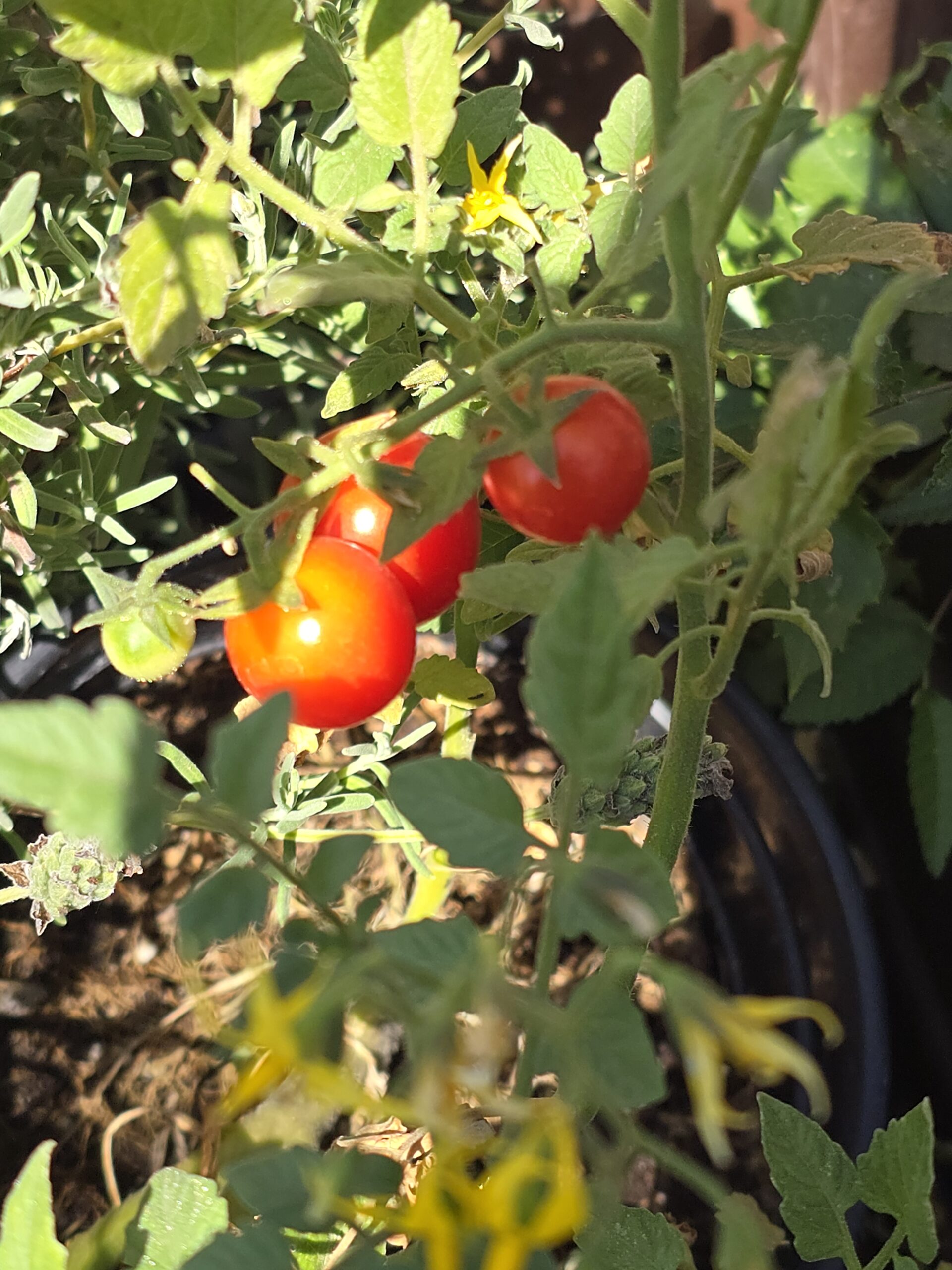
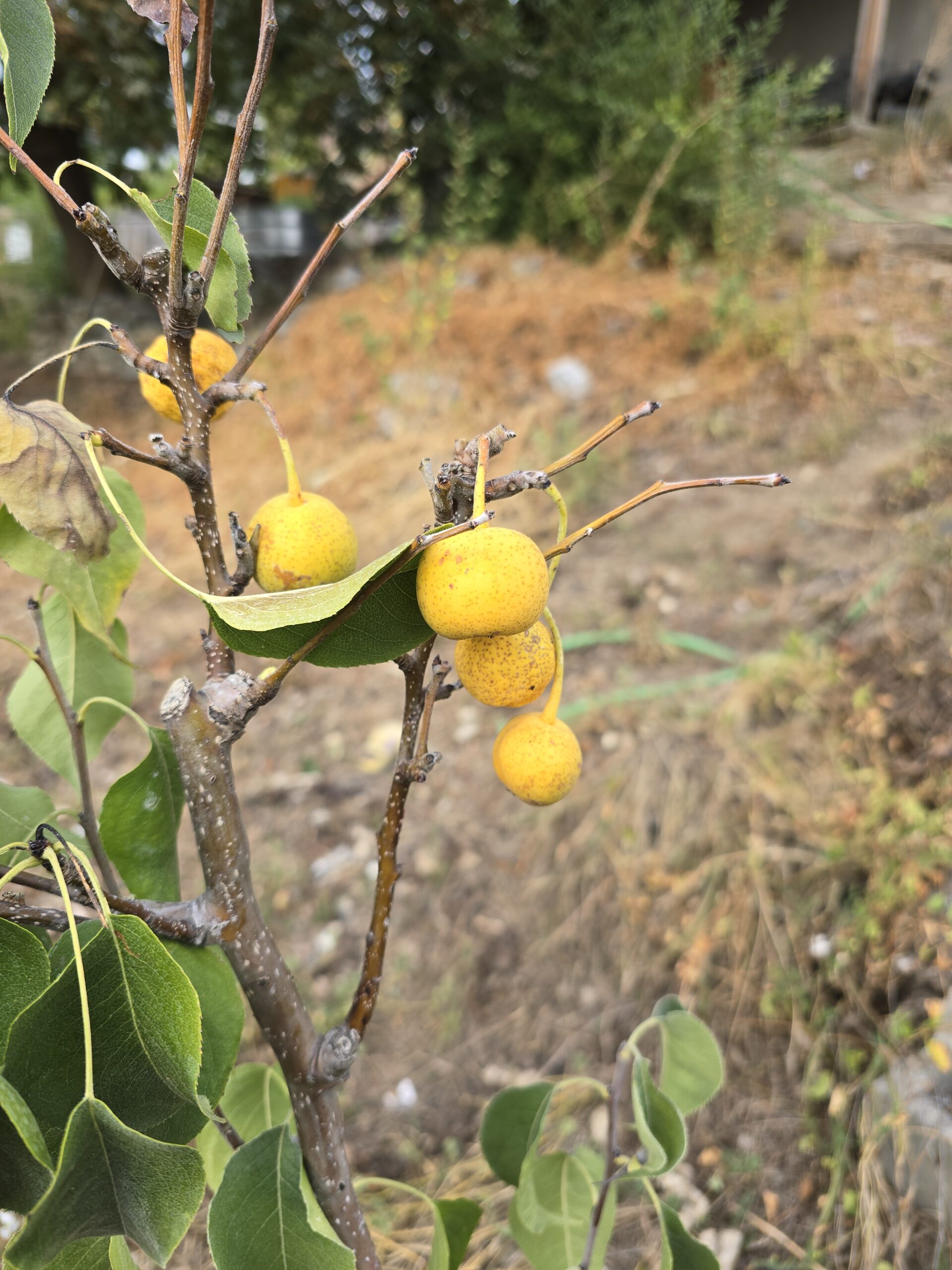
Over time I’ve realized that gardening—whether you’re planting fruit trees, vegetables, or flowers—requires patience and a willingness to learn. You can’t simply plant an orchard, a large vegetable garden, or a flower bed and expect everything to flourish without understanding what each plant needs. Preparing the soil, watering carefully, and nurturing plants as they grow are all essential. Fruit trees may take years before they produce fruit. Vegetables often require regular attention and care. Flowers need the right balance of sunlight, water, and healthy soil in order to bloom. Each type of plant grows at its own pace.
I’ve come to see that my spiritual life grows in much the same way.
In Second Epistle of Peter 3:18, believers are encouraged to “grow in the grace and knowledge of our Lord and Savior Jesus Christ.” Just like gardening, spiritual growth doesn’t happen overnight. It happens gradually as we continue seeking God and learning more about who He is.
I have always believed in God and never doubted that we all need His grace. But it took me some time to fully accept that grace for myself. I used to think I simply needed to try harder—that somehow I could make myself worthy of it. Eventually I realized that I will never be worthy of God’s grace, and that’s exactly why it is grace. He gives it freely, something only He can do.
In Gospel of Matthew 13:3–9, Gospel of Mark 4:3–9, and Gospel of Luke 8:4–8, the Parable of the Sower reminds us that just as soil must be prepared before seeds are planted, our hearts must be prepared to receive God’s word. Anyone who has planted fruit trees, vegetables, or flowers knows how important the condition of the soil is. Healthy soil allows roots to grow deep and strong. In the same way, spiritual habits help prepare the soil of our hearts.
Over time, habits shape the heart. Spending time in prayer, reflecting on God’s word, practicing gratitude, and serving others are much like watering and tending a garden. These small, consistent actions nurture growth in both grace and faith.
Hardships also play a role in growth. Even when we carefully prepare the soil, plant the seeds, and tend the garden, the final outcome is never fully in our control. Weather, seasons, and unexpected challenges all affect how plants grow. In the same way, difficult seasons can shape our spiritual lives. God can use hardships to strengthen hope, develop perseverance, cultivate humility, and build compassion.
When my husband was diagnosed with glioblastoma brain cancer, I experienced firsthand how trials can change our perspective. Suddenly, many ordinary problems seem less important, and our priorities become clearer. As Gospel of Matthew 6:21 reminds us, “For where your treasure is, there your heart will be also.”
Planting a seed—whether for a fruit tree, a vegetable plant, or a flower—requires trust. Spiritual growth requires that same trust. We do our part by nurturing the seeds that are planted, but ultimately we rely on God to bring the growth in His time. 

