
Spring in the Bee Yard (March–May)
Late Winter Transition → Peak Spring Expansion
Primary Spring Goals
- Protect and stabilize - transition from survival to expansion
- Build population aggressively but deliberately before main nectar flow
- Maintain nutritional sufficiency
- Stay ahead of congestion and swarming
- Enter June at peak strength
Major Spring Risks
-
Starvation during rapid brood expansion
-
Chilled brood (early inspections)
-
Colonies outpacing weather
-
Early swarm impulse
-
Queen underperformance or loss
-
Overcrowding
Spring To-Do
-
Plan and execute splits
-
Order/install packages & queens
-
Register hives (by April 1 where required)
-
Equalize weak/strong colonies
-
Add brood boxes at 80% drawn
-
Super ahead of nectar flow
-
Actively manage swarm impulse
Seasonal Theme: Controlled expansion → Rapid growth → Swarm management
Overall Objective: Build strong, healthy colonies ready for the main nectar flow while preventing starvation, disease, and swarming.
Weather Trends
- March: 29–51°F; 1.4" rain; 0.9" snow
- April: 34–60°F; 1.2" rain; freezing nights possible
- May: 42–70°F; 1.5" rain; stable warming
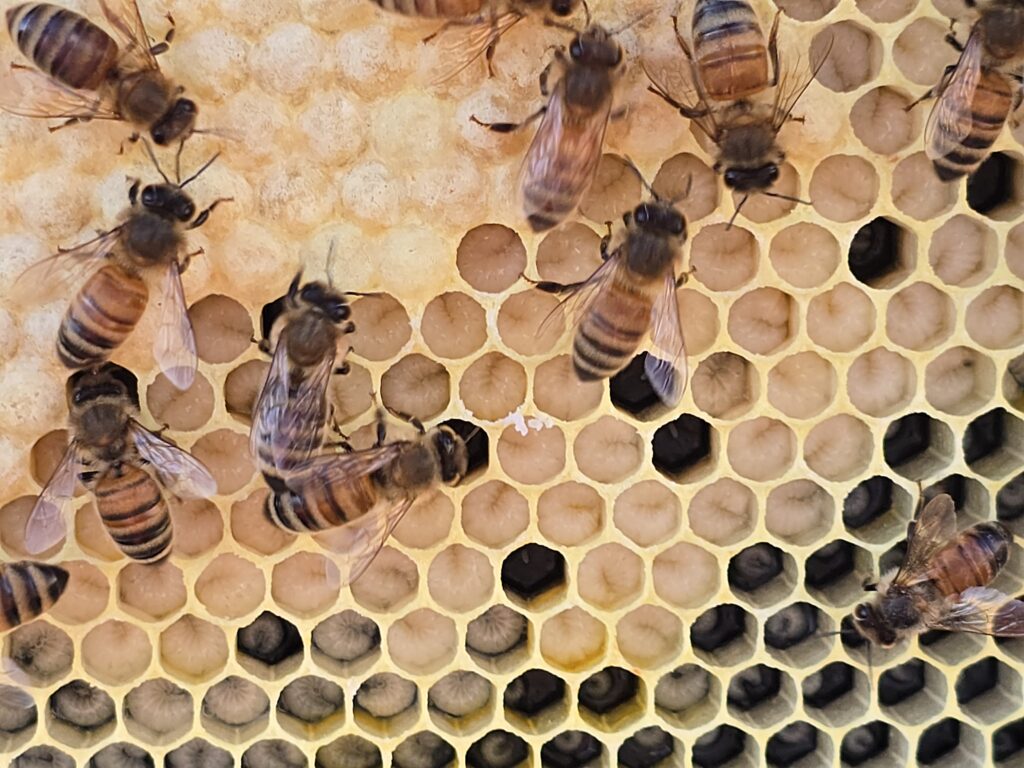
March - Fragile Expansion
Bee Mood & Activity
- Irritable
- sensitive to cold disturbance
- cleansing flights
Brood Development
- Brood nest expanding
- Nurse Population increasing
- Modest but growing colony size
- 5-8 frames of bees
Inspections/Equipment Management:
- Quick check on first 50°F day
- Assess brood pattern & stores
- Heft boxes to check weight
- Clear entrances
- Prep new boxes
- Mouse guards on with entrance reduced
- Clean gear
- Check moisture
Food Management:
- Rapid consumption
- High starvation risk
- Feed 1:1 syrup if <2 frames capped honey or brood expansion outpaces intake
- Provide pollen if needed
Pest & Disease Management
- Varroa check as weather permits
- Treat if ≥3 mites per 100 bees
- Nosema risk in weak colonies
April - Awakening Phase
Bee Mood & Activity
- Alert
- guarding increases
- pollen foraging
- wax production begins
Brood Development
- Strong brood production
- Drones appearing late month
- Population accelerating
- 7-10 frames of brood
Inspection/Equipment Management
- First full inspection
- Inspections every 2–3 weeks
- confirm queenright
- evaluate eggs/larvae/capped brood
- Add supers to prevent crowding
- Reverse boxes (if overwintered in double deeps)
- Clean/replace moldy equipment
- Clean dead outs
- Gradually open entrance (55–60°F highs)
- Remove insulation
Food Management
- Stores declining
- Feed 1:1 syrup if <2 frames capped honey or cold snap stalls flow
Pest & Disease Management
- Varroa increasing with brood
- Continue monitoring and treat at threshold
May - Explosive Growth
Bee Mood & Activity
- Highly active
- swarm impulse building
- intense nectar/pollen foraging
Brood Development
- Wall-to-wall brood
- Heavy drone production
- Peak brood nest size
- 10-14 frames of bees
Inspection/Equipment Management
- Inspection every 7–10 days
- check for swarm cells (bottom bars)
- Add brood space before needed
- Remove mouse guards & entrance reducers
Food Management
- Feed only splits or weak nucs
- Avoid overfeeding (can crowd brood nest & trigger swarming)
Pest & Disease Management
- Test mid–late May
- Avoid honey-contaminating treatments during nectar flow
Major Spring Forage in Eastern Washington
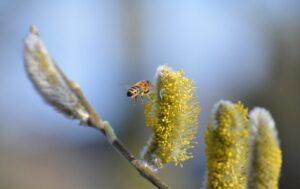
Early Spring - March
-
Maple – pollen
-
Willow – pollen
-
Serviceberry – nectar & pollen
-
Oregon grape – nectar
-
Early fruit trees
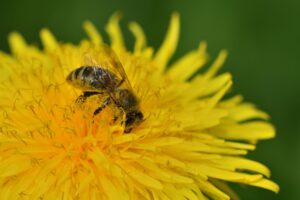
Mid-Spring - April
-
Apple – nectar & pollen
-
Cherry – nectar & pollen
-
Dandelion – nectar & pollen
-
Camas – nectar
-
Early wildflowers
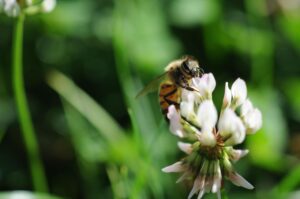
Late Spring - May
-
Clover – nectar & pollen
-
Black locust
-
Alfalfa
-
Lupine – nectar & pollen
-
Mixed meadow blooms